I have a MAX BR1 Pro 5G with 42G antenna in my motorhome. I’m considering adding an AP One AX Lite to the interior. If I do, should I add a PoE injector or run 12VDC wiring in parallel to the data cable? I’m leaning towards powering via 12VDC:
No power wasted by boost/buck conversion.
One less device in the networking cabinet that produces heat, wastes space and presents a point of failure.
I would run the 12VDC wire all the way back to the networking cabinet, so that my master switch in there kills both the router and AP.
Am I missing any benefits of using PoE or any potential issues when powering the AP via 12VDC?
i like poe on boats and such because when you add other poe devices such as security cameras you already have the poe switch. an injector versus a 12v plug probably doesnt matter much. i’d consider ensuring proper fusing/breakers/stable voltage. on my boats all my network equipment is 12v even though AC power is pretty much on and available all of the time via shore power, generator power, or inverter. was just the easier / more stable approach for me.
As for stable voltage, do you think I need a boost/buck regulator and/or low voltage disconnect for the AP? The router (MAX BR1 Pro 5G) has a high tolerance of 10v-30V but I couldn’t find anything about the input voltage range of the AP.
I’m a fan of PoE switches… Mainly because I hate running dc power cable to devices and then running Ethernet to said device as well. If I can run one cable with power and data why not… But my personal pref…
If you don’t want a PoE Switch then just run a DC powered Poe injector… Fused as close to the power source as possible.
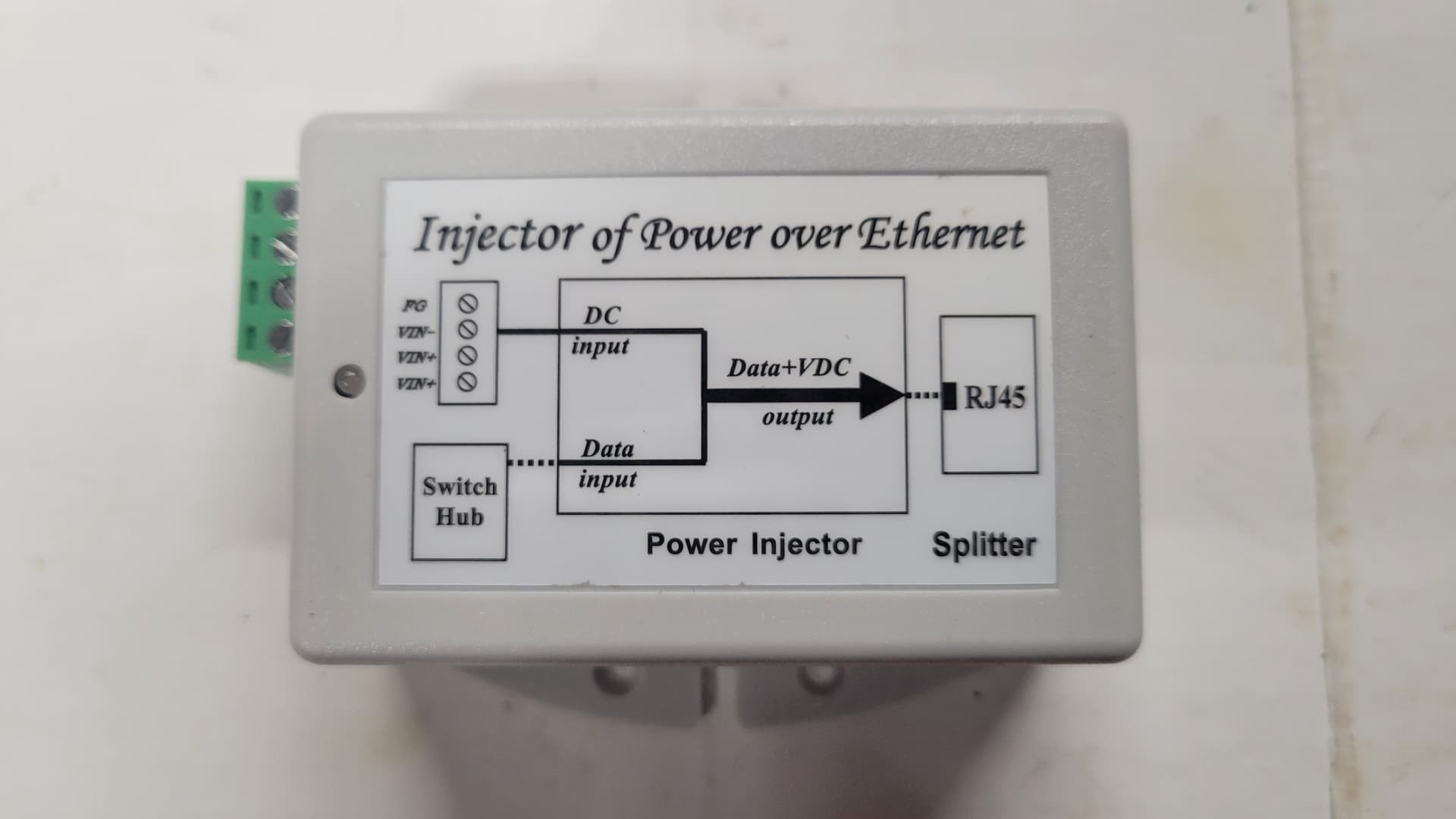
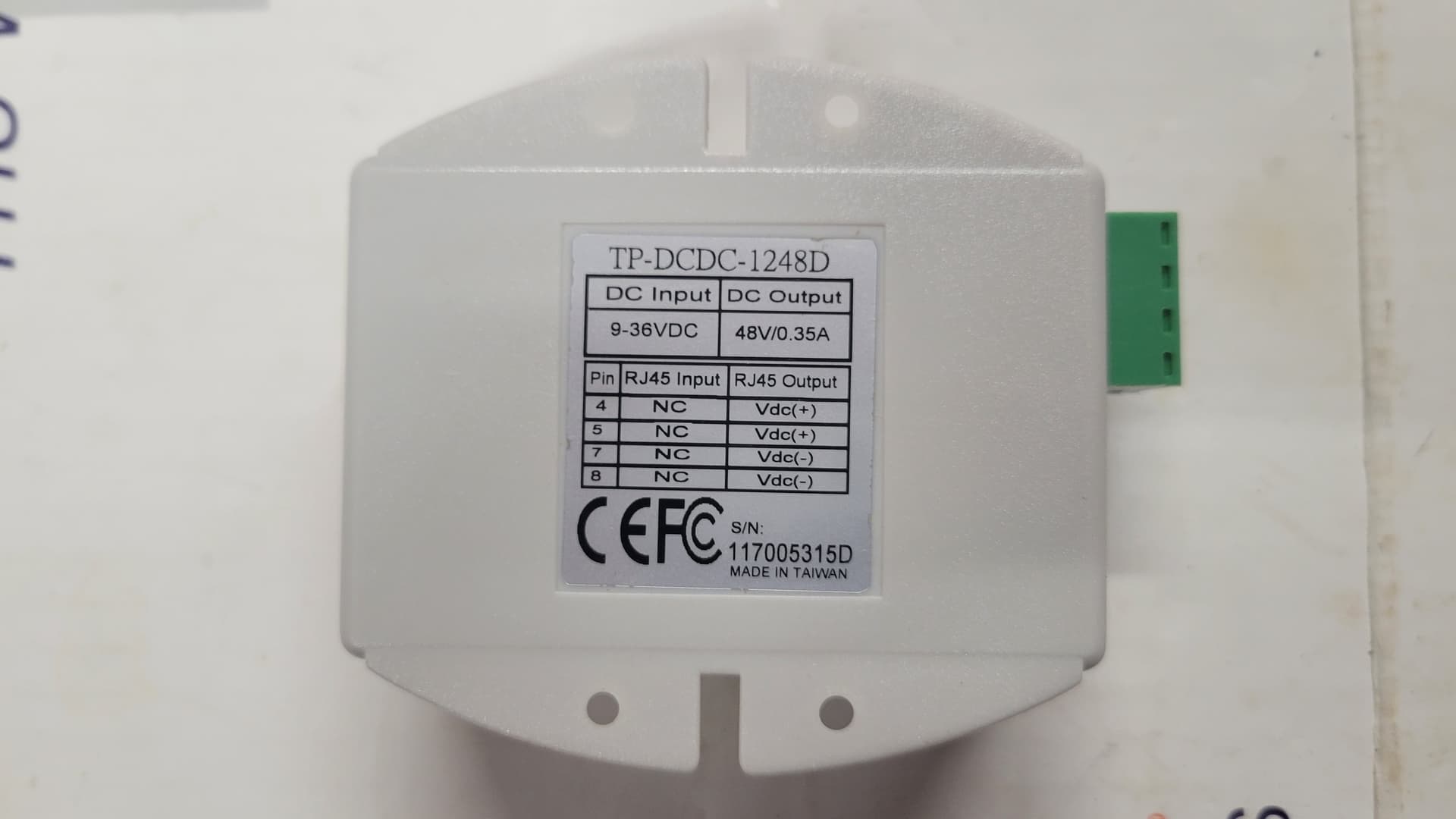
Tycon makes a 9-36VDC to 48V 802.3af/at PoE injector/inserter.
PoE out to your AP, data side to the router. .
You could still wire the supply side into your switches for physical management just make sure it’s fused. Close to the power source…
But your PoE inserter provides the correct voltage and current to your AP.
That is one problem, I cannot find any suitable PoE injector. The AP One AX Lite requires 802.3at (PoE+). For use in an RV with standard lead acid batteries where voltage drops as batteries drain and spike when the convertor or alternator kicks in, you want to cover the range of 10-30V to be safe. I could not find any PoE injector with those specs. At the point where I have to put a boost/buck regulator before the PoE injector it becomes less appealing.
If such a PoE injector would exist that would be awesome, do you have a a link?
Yeah, me too. All my network equipment and cameras at home are using PoE and it’s great. But in the motorhome the requirements are different:
There will only be a single wired device.
Space is scarce, so any device I don’t need is an advantage.
Heat can become a problem.
Small inefficiencies can drain the batteries faster (when not on shore power).
My thinking is that I have to run Ethernet anyway, and taping some DC wire to the Ethernet cable as I’m pulling it shouldn’t make that exercise much more of an ordeal, or am I wrong?
These are some of the systems I use for mobile vehciles…im a fan of the Din Rail setup.
The PoE brick from Tycon - I have seen that secured with everything from double sided tape, to Cable ties and I swear chewing gum at one stage. I understand your issue with space.
The good thing about the PoEs is they have an induild dc dc converter so fluctuation on input supply aren’t experienced on the device itself…
And yes I agree you certainly don’t want it draining your battery.
Cheers mate
Thanks, but the TP-DCDC-1248DX2-HP is unreasonable expensive (I’m seeing USD$166 on Amazon via third-party seller). The PROCET one is also just rated 12-48V like any other PoE injector I came across. Maybe this is OK, but I would feel more comfortable if it’s rated for 10V+ to be safe when the battery runs low.
Do you (or anyone else) know what the voltage tolerance of the AP One AX Lite is when powered via 12VDC? If I would know that it could handle ~10-30V I think wiring it directly via 12VDC wins. But if I’d need a boost-buck regulator to be safe then I’m leaning towards PoE, given I find a suitable, reasonably priced injector.
Another solution is to get a DC-DC converter that takes your 12VDC (nominal) battery supply and outputs exactly 13.8VDC. These are inexpensive and can really clean up a DC source by keeping the voltage constant and removing noise.
In my RV, I had some LED lighting which was flickering due to noise on the DC system, which was coming from the Solar charge controller for my solar panels. This gizmo cleaned it up.
13.8V is a pretty standard voltage for “12V” automotive systems when the batteries are fully charged, so almost any device that says “12V” will be very happy with 13.8.
Since I=V/R, a slightly higher V (voltage) – 13.8 is 15% higher than 12.0 – means 15% less I ( current ) and voltage sag, which can be important especially if you have a long run of smaller gauge wire.
Imagine your Peplink has a voltage range of 10 to 30, and you feed it 12V.
Suppose you wire the power supply with 18AWG wire and it has a 75 foot run, and the Peplink is drawing 2A, a voltage loss calculator will tell you that you would lose 1.92V in the circuit.
So your 12.0V at the source would end up being 10.08V at the Peplink, which runs the risk of the device shutting down or crashing due to low voltage.
Using a higher voltage gives you more wiggle-room.
(18 AWG wire is also too small for such a long run of wire)
instead of $300 for an AP One AX Lite, spend $180 for an AP One Mini. Why? cheaper, and has lower power usage – I’ve measured my AP One Minis at about 5 Watts at idle. This should be lower than the AX
run PoE and find an inexpensive 1 port 12V PoE injector, which you can get for under $50, as the Mini supports PoE Type 1 rather than the AX which supports PoE+ Type 2
Note: I’m not sure if the AX requires Type 2 (PoE+) or simply supports it, but in any case the Mini doesn’t.
The AP One AX Lite is listed in its data sheet with a power consumption of 14.5W max. which barely exceeds the limits of 802.3af (PoE Type 1). I don’t have a PoE switch with me to monitor the actual power consumption but my (Unifi) WiFi 6 APs at home draw 6-7W under baseline usage. I doubt that the AP One AX Lite will be using any more than that most of the time.
Also I’m wondering if turning off the built-in AP of the MAX BR1 Pro 5G will bring down the power consumption of the router, offsetting the power consumption of the dedicated AP.
I have been testing the AP One AX Lite for the past couple days, and I’m pleased by its performance. If I were to downgrade from here, I might as well just use the paddle antennas on the MAX BR1 Pro 5G, at least I’d still get WiFi 6 then.
I have the same set up as you are describing. I tried a POE Injector. I settled on an inexpensive AC adaptor from Amazon. The POE injector was much bigger and more expensive. When I ran it off of my DC power, for some reason, I had interruptions and it was less stable, a DC issue I’m sure but issues just the same. I had a AC outlet right by my AX Lite location so it was simple, more reliable and cheaper. By the way, my WiFi speeds are much faster and way more reliable once I installed the AX Lite. Using it and the upgrade to the MAX BR1 Pro 5G was a game changer.